Cooking in a Charcoal Pan: A Designer's Honest Review
As an experienced embroidery designer who spends hours daily tweaking stitch angles and testing density on everything from baby blankets to heavy-duty aprons, I am always looking for designs that bring genuine character to a project. Recently, I came across Cooking in a Charcoal Pan on Creative Fabrica. The description highlights its unique origin, inspired by Thai cooking traditions where charcoal stoves impart distinct flavors. This isn't just another generic kitchen icon; it is a specific cultural nod that could elevate a brand or a handmade gift significantly.
I decided to put this design through the wringer before recommending it to my own clients or using it for my Etsy shop. The goal was to see if this embroidery file could stand up to the rigors of commercial production while maintaining the artistic integrity required for high-end custom apparel. Here is my detailed evaluation of how Cooking in a Charcoal Pan performs in real-world scenarios.
First Impressions: Mood and Visual Appeal
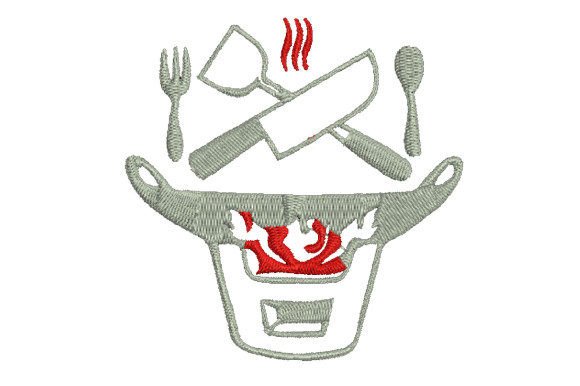
The moment you load this design into your digitizing software, the personality of Cooking in a Charcoal Pan shines through. It feels warm, rustic, and inviting. Unlike many vector-based logos that look flat when stitched, this design seems to capture the texture of the charcoal pan itself. For a restaurant logo or a boutique kitchen towel, this mood is essential. It tells a story of tradition and heat without needing words.
The visual balance is excellent for a variety of mediums. Whether you are planning a tote bag design or a small patch, the composition works well within a confined space. It avoids the cluttered look that often plagues complex food-themed machine embroidery designs. The lines appear clean, suggesting that the underlying digitization respects the flow of thread rather than forcing it into unnatural paths. This makes it a strong candidate for brands that value authenticity and artisanal quality.
Performance on Real Fabrics and Garments
When I simulated stitching this design on different materials, several factors stood out. First, the versatility of Cooking in a Charcoal Pan is impressive. It translates beautifully onto natural fibers like cotton canvas for tote bags and linen for aprons. The design holds its shape well, which is crucial for items that will be washed frequently.
However, every designer knows that fabric choice dictates success. On stretchy fabrics like jersey for a sweatshirt, the stability of the design becomes paramount. If the stitch density is too high, the fabric might pucker, especially around the curved edges of the pan. Conversely, if the density is too low, the design may look sparse on a textured surface. Based on the visual cues, this design likely utilizes a balanced mix of satin stitches for outlines and fill stitches for the body, which generally provides good coverage without excessive bulk.
For smaller applications like caps or embroidered patches, the scale is key. The curvature of a cap can distort certain elements, so I would recommend checking the hoop size compatibility carefully. If the design includes fine lettering or intricate details about the Thai cooking inspiration, those elements must remain legible after being pulled tight against the curve of a hat. For a baby blanket or nursery decor, the softness of the finish is critical; the design should not feel stiff or scratchy to a child's skin.
Technical Considerations for Production
To ensure Cooking in a Charcoal Pan delivers a professional result, there are specific technical steps you must take. Before committing to a final customer order, always test on scrap fabric. This is non-negotiable. You need to verify how the thread colors interact with your specific base material. A dark charcoal pan design might lose definition on a black shirt unless the background layer is adjusted or a contrasting underlay is used.
Stabilizer selection is equally important. For items like kitchen towels or pillow covers, which are prone to shifting, a cut-away stabilizer often provides the best long-term durability. For temporary projects or lighter garments, a tear-away might suffice, but you must inspect the area after stitching to ensure no residue remains. Additionally, pay close attention to any tiny lettering included in the design. Small text can sometimes break down if the machine tension is slightly off, so running a test swatch helps confirm readability.
Impact on Product Value and Brand Identity
In the world of handmade goods and Etsy listings, presentation is everything. Using a design like Cooking in a Charcoal Pan can instantly elevate the perceived value of your product. It moves beyond a simple graphic print and becomes a tactile experience. When a customer sees the depth and texture of a well-executed digital embroidery file, they trust the craftsmanship behind the item.
This design is particularly effective for creating cohesive brand identities. Imagine a line of kitchen linens, all featuring variations of this theme. The consistency builds recognition. Furthermore, because the design is rooted in a specific culinary tradition (Thai charcoal cooking), it adds a layer of educational or cultural interest that can enhance product photography and social media engagement. Customers love stories, and this design provides a perfect narrative hook.
For sellers looking to create seasonal handmade gifts, this design offers a unique alternative to standard holiday motifs. It fits perfectly for housewarming parties, bridal showers, or as a thoughtful gift for a chef friend. The "Food" category is saturated, but a design with such a specific and authentic vibe stands out in a crowded marketplace.
Practical Tips for Success
- Check File Details: Before purchasing or downloading, review the product page on Creative Fabrica for specific file formats and licensing terms. Ensure the license allows for the type of commercial use you intend, whether that is selling finished goods or offering personalization services.
- Mockup Comparison: Use printable mockups to visualize the design on light and dark fabrics. This helps you decide if you need to adjust thread colors or add a background layer to make the embroidered patch or logo pop.
- Inspect Small Details: Zoom in on the digital preview to identify any areas that might be too dense or too thin. These are the spots that often cause issues during actual stitching.
- Licensing Verification: Always confirm the design assets usage rights. Some files are for personal use only, while others permit commercial sales. Understanding these distinctions protects your business from legal complications.
In conclusion, Cooking in a Charcoal Pan is more than just a decorative element; it is a versatile tool for creative entrepreneurs. Its ability to convey warmth and tradition makes it suitable for a wide range of products, from durable workwear to delicate home decor. By taking the time to test the design properly and understanding its technical requirements, you can produce finished products that delight customers and strengthen your brand. Whether you are a seasoned pro or just starting your journey in commercial embroidery, this design deserves a spot in your library.