Heart Wavy with Color Blocking Review
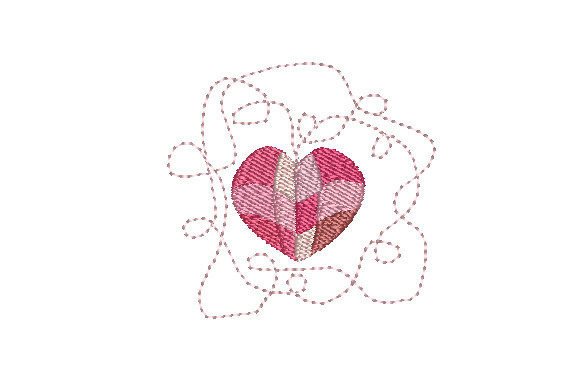
As an embroidery designer who has spent years refining designs for commercial production, I look at every new digital file through a specific lens. It is not enough for a design to simply look good on a screen; it must translate flawlessly into thread, hold up under industrial washing, and strengthen the brand identity of the business wearing it. Today, I am reviewing Heart Wavy with Color Blocking, a Valentine’s Day embroidery design that promises a playful aesthetic through its unique use of color blocking and loopy circular accents.
This review is dedicated to small business owners, embroidery shop operators, apparel decorators, Etsy sellers, and product designers who are considering adding this piece to their catalog. Whether you are looking to create branded patches, custom aprons, or boutique merchandise, understanding the technical and visual implications of this design is crucial before you hit the start button on your machine.
First Impressions: Visual Personality and Brand Fit
The title, Heart Wavy with Color Blocking, immediately suggests a modern, energetic vibe. The description highlights a single heart form enhanced by fun wavy color blocking and loopy lines circling the exterior. From a design perspective, this combination creates a sense of movement and softness. It feels friendly, approachable, and distinctly handmade, which is a massive asset in today’s market where consumers crave authenticity over mass-produced perfection.
For a small café, a local bakery, or a creative studio, this design strikes a balance between professional polish and whimsical charm. It is not overly ornate, which keeps it versatile, but the "loopy" details add enough character to make it memorable. When evaluating this for brand identity, we see a design that communicates warmth and creativity. It works exceptionally well for businesses that want to appear accessible and joyful, such as florists, pet brands, or handmade jewelry shops. However, if your brand leans toward minimalist luxury or corporate rigidity, this design might feel too decorative or casual.
Real-World Business Applications
The true test of any machine embroidery design is its performance across various mediums. Here is how Heart Wavy with Color Blocking translates to real-world business use cases:
- Embroidered Patches: This design is ideally suited for iron-on or sew-on patches. The solid heart shape provides a stable base, while the surrounding loopy lines can serve as a decorative border. For a boutique selling accessories, these patches can be applied to denim jackets, canvas totes, or leather wallets, adding a premium touch to small business merch.
- Staff Uniforms and Aprons: For coffee shops or bakeries, placing this design on the chest pocket of a black or white apron creates a cohesive team look. The color blocking allows for customization; you can match the thread colors to your specific brand palette, ensuring visual consistency across all staff uniforms.
- Cap Embroidery: The compact nature of the heart makes it a strong candidate for cap fronts. The wavy lines can wrap slightly around the curve, creating a dynamic 3D effect. This is perfect for promotional caps given to loyal customers or used at craft fairs.
- Tote Bag Design: A large tote bag offers ample space for the full detail of this design. The loopy lines circling the heart can be expanded or repeated to create a patterned background, turning a simple canvas bag into a high-value handmade product that customers will want to carry around town, effectively acting as a walking advertisement.
- Product Packaging Accents: Beyond apparel, this design can be embroidered onto hang tags or fabric labels attached to products. A small version of the heart on a garment label adds a surprising element of delight, boosting customer trust and perceived value.
Strategic Considerations and Limitations
While the design has clear strengths, an experienced designer must also identify where it should be used carefully. Not every surface is suitable for this level of detail.
Small Patch Sizes: If you plan to scale this design down significantly (under two inches), the "loopy" lines circling the heart may merge together, losing their distinct wavy character. In such cases, the design might become a blurry blob rather than a crisp graphic. Always test at the final intended size.
Curved Surfaces and Caps: While caps are a great option, the curvature can distort the symmetry of the heart. If the hoop does not sit perfectly flat, the wavy lines may pucker. Ensure you are using a cap frame and stabilizer specifically designed for curved structures.
Fabric Texture and Dark Uniforms: The success of thread colors relies heavily on contrast. On dark fabrics, you will need a heavy cut-away stabilizer and potentially a backing layer to prevent show-through, especially given the density of the color blocks. Textured fabrics like thick wool or rough linen can obscure the fine details of the wavy lines, making the design look muddy.
High Stitch Density: Designs with multiple layers of stitching, such as the overlapping waves described, can become stiff if the stitch density is too high. For items that require drape, like lightweight t-shirts or scarves, ensure the underlay stitches are optimized to keep the fabric flexible.
Impact on Brand Identity and Customer Engagement
In the competitive landscape of commercial embroidery, details matter. Using a design like Heart Wavy with Color Blocking signals that your business pays attention to aesthetics. It suggests a brand that is thoughtful, creative, and willing to invest in quality materials. This directly influences buyer engagement; customers are more likely to share photos of beautifully embroidered items on social media, providing you with free organic marketing.
Furthermore, the versatility of this design allows for seasonal campaigns. While categorized under Valentine’s Day, the abstract nature of the "wavy" heart allows it to be repurposed for anniversaries, spring collections, or even general "love your brand" promotions. This flexibility increases the ROI of your design assets, as one file can serve multiple marketing purposes throughout the year.
Practical Designer Notes for Production
Before adding this embroidery file to your production queue, follow these essential steps to ensure a flawless finished product:
- Test in Black and White: Print a grayscale version of the design to check the contrast between the heart and the surrounding loopy lines. If the shapes blend too much, you may need to adjust the thread colors or spacing.
- Check Hoop Size and Stability: Confirm that the hoop size accommodates the full width of the design without requiring re-hooping, which can misalign the registration. Use a high-quality tear-away or cut-away stabilizer depending on your fabric weight.
- Review Thread Color Contrast: The "color blocking" aspect is critical. Ensure the chosen threads provide enough contrast against each other and the base fabric. Low-contrast combinations can make the wavy effect disappear.
- Create a Printable Mockup: Before committing to expensive fabric runs, create a printable mockup to visualize the design on your actual product packaging or apparel. This helps clients approve the look before production begins.
- Confirm Commercial Licensing: Always verify the licensing terms of the digital embroidery file. Ensure you have the right to sell physical goods made from this design, particularly if you are producing them for third-party clients.
- Inspect Spacing and Density: Zoom in on the digital file to inspect the spacing between the heart and the outer loops. Tight spacing can lead to needle breaks or thread tension issues during high-speed production.
By treating Heart Wavy with Color Blocking not just as a decoration but as a strategic brand tool, you can elevate your offerings from simple merchandise to desirable, high-quality products. With careful execution and attention to detail, this design can become a staple in your custom apparel collection, driving sales and strengthening your brand’s visual presence.