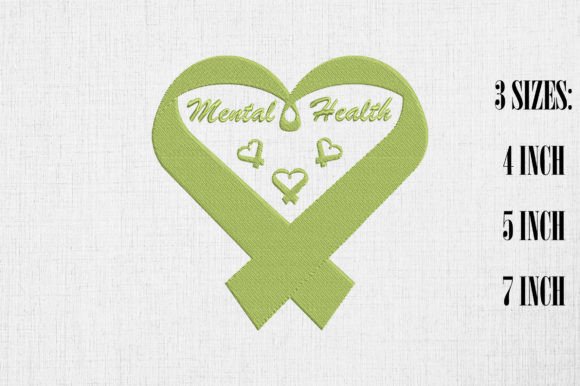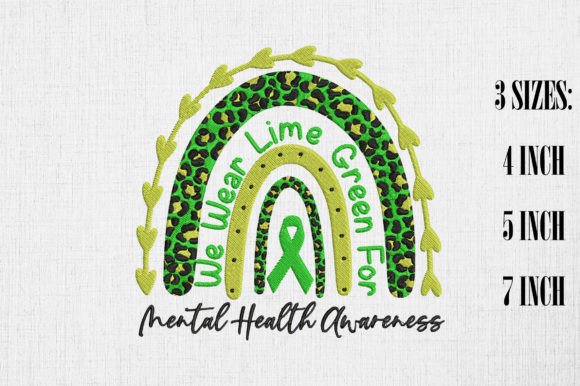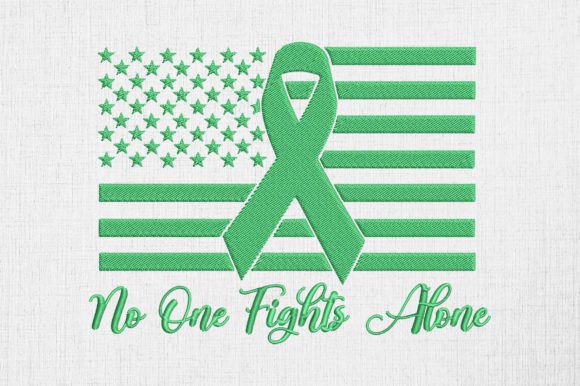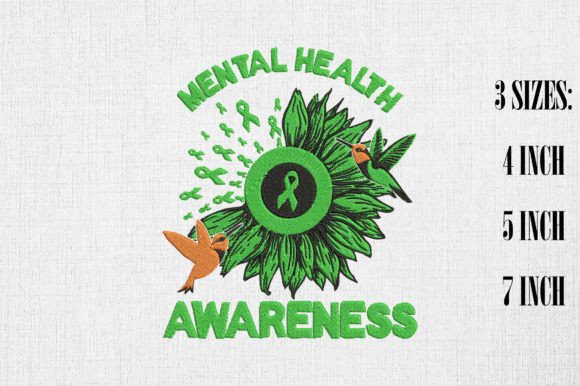
Mental Health Matters Embroidery Review
In the world of small business branding, every detail counts. As an experienced embroidery designer, I have reviewed thousands of digital assets for clients ranging from local cafes to global handmade brands. Today, I am reviewing a design titled Mental Health Matters. This is not just about aesthetics; it is about how this specific embroidery file performs in commercial applications, builds brand trust, and resonates with customers who value authenticity and care.
First Impressions: Professionalism Meets Empathy
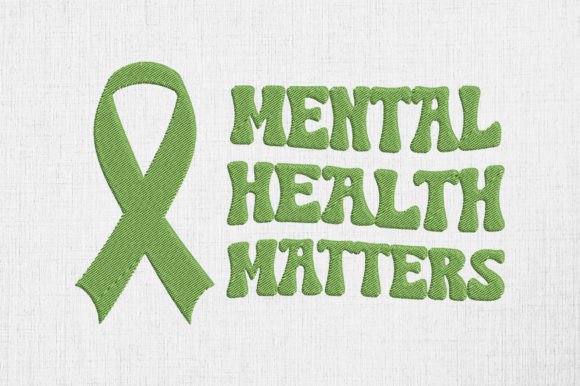
When you first look at the Mental Health Matters design, the immediate takeaway is its balance between bold statement and gentle approachability. For a small business owner, whether you run a boutique, a creative studio, or a wellness-focused café, your merchandise needs to communicate values without shouting. This design feels modern yet classic, avoiding the overly decorative pitfalls that can make a brand look amateurish.
The title suggests an awareness theme, which is powerful in today’s market. Consumers are increasingly drawn to businesses that demonstrate social responsibility and emotional intelligence. A design like Mental Health Matters signals that your brand is safe, inclusive, and human-centric. It is friendly but not childish, professional but not cold. This visual personality is crucial for building long-term customer loyalty.
Real-World Business Applications
So, where does this machine embroidery design truly shine? Let us move beyond the screen and look at tangible product opportunities.
Staff Uniforms and Aprons
For service-based businesses, staff attire is your walking billboard. Placing Mental Health Matters on high-quality apron embroidery or chest logos of work shirts creates a sense of team cohesion and shared values. Imagine a barista wearing an apron with this subtle yet meaningful accent. It invites conversation and positions the business as one that cares for both its employees and its patrons. The design works exceptionally well when embroidered on sturdy cotton blends or canvas, materials common in hospitality and retail.
Branded Patches and Caps
One of the most versatile uses for this asset is as an embroidered patch. Patches allow for flexibility; they can be sewn onto denim jackets, beanies, or backpacks by the customer, extending your brand’s reach into their daily lives. When applied to cap embroidery, the design should be centered on the front panel. It adds a premium touch to headwear that stands out in a crowded market. For craft fairs or pop-up shops, having branded caps with this message can significantly boost visibility and engagement.
Tote Bags and Product Packaging
In the era of sustainable shopping, the tote bag design is essential. A canvas tote featuring Mental Health Matters is more than a carrier; it is a mobile advertisement. Because the design is likely clean and legible, it remains effective even when the bag is filled with groceries or books. Furthermore, consider using smaller versions of this design as labels on product packaging. A tiny embroidered tag inside a handmade garment or on a gift box elevates the perceived value of the handmade product, showing attention to detail that customers appreciate.
Etsy Branding and Digital Assets
For digital sellers and Etsy creators, this digital embroidery file serves as a key design asset. You can use it to create mockups for listings, helping buyers visualize the final result. Consistency in your brand identity across physical and digital spaces is vital. If your online store promotes mental wellness, your physical products must reflect that same ethos. This design bridges that gap effectively.
Strategic Placement and Design Constraints
While the concept is strong, execution requires technical precision. Not every surface is suitable for every design element. Here is where an experienced eye must intervene to prevent production errors.
- Small Patch Sizes: If scaling this down for a small lapel patch, ensure the lettering remains readable. Tiny text can become muddy if the stitch density is too low or the font weight is insufficient. Always test at 100% scale before committing to bulk production.
- Curved Surfaces: When applying this to cap embroidery or rounded items, the design may distort. Use a curved-hoop stabilizer and adjust the digitizing to account for fabric tension. A straight-line design might warp on a curved brim.
- Fabric Texture: The choice of material impacts the final look. On rough, textured fabrics like burlap or heavy tweed, fine details may get lost. Smooth fabrics like polyester blends or fine cotton provide the best canvas for crisp lines.
- Thread Color Contrast: Dark uniforms require light thread colors for visibility. Conversely, light garments need darker threads. Poor contrast can render the message unreadable, defeating the purpose of the awareness campaign.
- High Stitch Density: Check the stitch count. Excessive density can cause puckering, especially on lightweight tees or dresses. Ensure the underlay stitches are balanced to keep the fabric flat.
Impact on Brand Identity and Customer Trust
Using Mental Health Matters in your merch is a strategic move for brand positioning. In a saturated market, differentiation comes from values. Customers do not just buy products; they buy into stories and beliefs. By displaying this design, you are publicly aligning yourself with mental health advocacy.
This alignment fosters customer trust and recognition. It shows that your business is transparent and empathetic. When a customer sees a uniform or a tote bag with this message, they feel a connection to the brand’s mission. This emotional resonance drives repeat business and word-of-mouth referrals. It transforms a simple transaction into a relationship built on shared principles.
Moreover, it enhances the professionalism of your operation. It demonstrates that you invest in quality materials and thoughtful design. A well-executed commercial embroidery project signals stability and attention to detail, qualities that potential partners and investors also notice.
Practical Designer Notes for Production
Before you send this file to the production floor, follow these essential steps to ensure success:
- Test in Black and White: Convert the design to monochrome to check contrast and spacing. If it looks cluttered in black and white, it will likely fail in color.
- Check Hoop Size: Confirm the maximum hoop size required. Ensure your machinery can accommodate the design dimensions without needing re-hooping, which can misalign the stitching.
- Use Proper Stabilizer: The right stabilizer prevents shifting and puckering. Cut-away stabilizers are generally best for stretchy fabrics, while tear-away works for wovens.
- Create a Printable Mockup: Before cutting fabric, generate a printable mockup for client approval. This allows stakeholders to see how the design interacts with different garment colors and styles.
- Confirm Commercial Licensing: Verify the usage rights of the embroidery file. Ensure you have the legal right to sell merchandise featuring this design to avoid copyright issues.
- Inspect Thread Colors: Select threads that complement your brand palette. High-quality threads reduce breakage and provide a richer finish.
Final Verdict
The Mental Health Matters embroidery design is a robust, meaningful addition to any small business’s toolkit. Its versatility across custom apparel, accessories, and promotional items makes it a valuable investment. However, success depends on proper digitizing review, appropriate fabric selection, and strategic placement.
By treating this design as a core component of your brand identity rather than just a decorative element, you can create merchandise that not only sells but also speaks to the heart of your audience. Whether you are labeling your first batch of handmade products or upgrading your entire staff uniform line, this design offers a professional, compassionate, and visually appealing solution. Remember to always test thoroughly and prioritize quality control to deliver a finished product that reflects the high standards of your business.