Wedding R Monogram Frame Review
As an embroidery designer who has spent years turning digital files into tangible brand assets, I look at every new design with a critical eye. When it comes to Wedding R Monogram Frame, the question isn’t just whether it looks pretty on a screen—it is whether it holds up as a viable asset for small business merchandise, branded patches, and professional uniform applications. For Etsy sellers, boutique owners, and apparel decorators, the difference between a decorative stitch and a commercial-grade logo can mean the difference between a one-time sale and a loyal customer base.
First Impressions: Visual Personality and Brand Fit
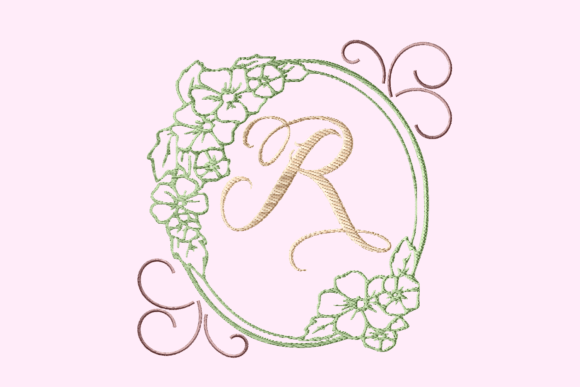
The title alone suggests a blend of tradition and personalization. From a design perspective, a monogram frame often serves as a vessel for elegance, but its utility in small business merch depends heavily on execution. The description notes that this is a "lovely embroidery" that works on any fabric, which is a broad claim. In reality, the success of the Wedding R Monogram Frame hinges on its visual weight and clarity.
Initially, the design likely projects a sense of classic sophistication. This makes it an excellent candidate for businesses that want to convey trust, heritage, or high-end craftsmanship. Whether you are running a bridal boutique, a luxury bakery, or a handmade jewelry shop, the aesthetic of a framed monogram aligns well with brands that value attention to detail. However, designers must assess if the frame elements are too intricate. If the lines are too thin, the design may lose its impact when digitized for production, turning a premium look into a muddy blob of thread.
Real-World Applications for Commercial Projects
The true test of any embroidery file is how it performs across various product categories. Here is how the Wedding R Monogram Frame translates from screen to finished product in a commercial setting:
- Embellished Patches: One of the strongest use cases for this design is as a sew-on patch. Brands often use monograms to create custom labels for their products. The framed nature of the design provides a natural border, making it easy to cut out and apply to tote bags, denim jackets, or leather goods without needing additional backing details.
- Staff Uniforms and Aprons: For cafes, florists, or boutiques, staff attire needs to be professional yet approachable. Placing the Wedding R Monogram Frame on the chest of a work shirt or the pocket of an apron embroidery project adds a touch of personalized branding. It signals to customers that the business cares about its team’s presentation.
- Caps and Headwear: Cap embroidery requires designs that are legible from a distance. If the frame is not overly dense, this design can serve as a subtle yet stylish accent on the front or side of a cap. It works particularly well for creative studios or craft businesses looking to distribute branded hats at events.
- Tote Bag Design: Tote bags are a staple for Etsy branding. A centered monogram frame offers a clean, minimalist look that appeals to modern consumers. It allows the bag itself to remain versatile while still carrying the brand’s identity.
- Product Packaging Accents: Beyond apparel, this design can be stitched onto fabric tags attached to retail items. This elevates the unboxing experience, making a simple purchase feel like a gift. It reinforces the idea of a handmade product crafted with care.
Strategic Considerations and Limitations
While the potential is high, there are specific scenarios where the Wedding R Monogram Frame requires careful handling. Not all fabrics and surfaces are created equal, and ignoring these nuances can lead to costly reworks.
When considering stitch density, designers must evaluate the balance between the letter 'R' and the surrounding frame. If the frame contains excessive detail, it may become difficult to read when scaled down for smaller items like cufflinks or tiny product tags. Similarly, applying this design to curved surfaces, such as the front panel of a baseball cap, can distort the symmetry of the frame if not hooped correctly.
Fabric texture also plays a crucial role. On highly textured materials like heavy canvas or boucle wool, fine details in the monogram may get lost. Conversely, on smooth silks or satins, the design might slip during stitching if proper stabilizer is not used. Additionally, for items that require frequent washing, such as uniforms or aprons, the durability of the thread colors and the stability of the stitch pattern must be tested to prevent puckering or fading over time.
Impact on Brand Identity and Customer Trust
In the world of commercial embroidery, consistency is key. The Wedding R Monogram Frame contributes to brand identity by offering a recognizable symbol that customers can associate with quality. When a customer sees a neatly embroidered monogram on a product, it subconsciously signals professionalism and reliability.
This visual consistency builds customer trust and enhances product value. A well-executed embroidered patch feels more substantial than a printed label. It suggests that the brand has invested time and resources into the details, which encourages buyer engagement and repeat purchases. For custom apparel creators, using a cohesive design asset like this helps maintain a unified look across different product lines, reinforcing the brand’s aesthetic.
Practical Designer Notes for Production
Before committing to mass production or listing the design as a digital asset, follow these essential steps to ensure quality:
- Test in Black and White: Convert the design to grayscale to check contrast and spacing. This helps identify if the negative space is sufficient for readability.
- Check Small Scale Legibility: Preview the design at the actual size it will be embroidered. Ensure that the 'R' and the frame details remain distinct when reduced to patch size.
- Review Thread Color Contrast: Select thread colors that stand out against your target fabric. Dark threads on dark fabric or light threads on light fabric will result in a lost design.
- Inspect Spacing and Density: Look closely at the digitization to ensure stitches are not overlapping unnecessarily, which can cause bulkiness, or too far apart, which can show the fabric underneath.
- Confirm Hoop Size: Verify that the design fits within standard hoop sizes to avoid alignment issues during multi-position stitching.
- Test on Real Fabric: Always run a sample on the actual material you plan to use. This reveals how the fabric reacts to the needle and stabilizer.
- Use Proper Stabilizer: Choose a stabilizer (cut-away, tear-away, or water-soluble) that matches the fabric’s stretch and weight to prevent distortion.
- Create a Printable Mockup: Before producing physical samples, generate a printable mockup for client approval. This allows stakeholders to visualize the final product without waste.
- Compare Against Other Assets: Place the design alongside other design assets in your collection to ensure visual harmony.
- Confirm Commercial Licensing: Finally, always verify the licensing terms. Ensure you have the right to use the Wedding R Monogram Frame for commercial purposes before selling finished goods.
By approaching the Wedding R Monogram Frame with these practical considerations in mind, designers and business owners can transform a simple digital file into a powerful tool for brand building. Whether used for tote bag design, cap embroidery, or bespoke gifts, the key lies in meticulous testing and thoughtful application.