White Elephant Lying Down Review
As a designer who spends more time evaluating stitch density and thread contrast than I do actually stitching, I approach every new download with a healthy dose of skepticism. The market is saturated with generic clipart disguised as embroidery files, so finding a design that balances artistic integrity with technical feasibility is rare. This is where White Elephant Lying Down catches my attention. It isn’t just another animal silhouette; it carries a specific narrative weight that can elevate a simple craft project into a meaningful piece of art.
The First Impression: Mood and Composition
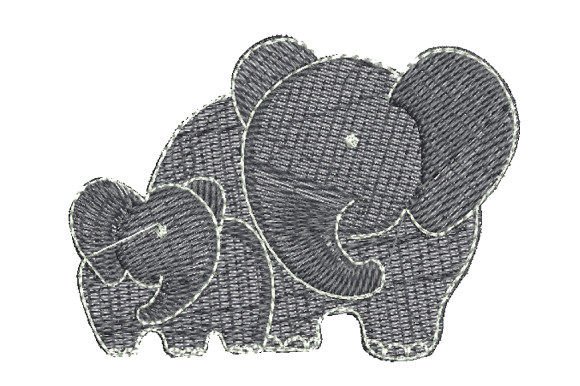
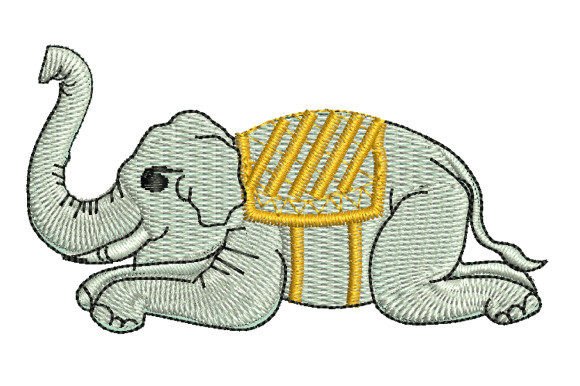
When you first load the file into your digitizing software, the immediate takeaway is the serene posture of the subject. Unlike designs that feature animals in motion or aggressive stances, this crouching white elephant conveys stillness, rarity, and gentle strength. The composition feels balanced, which is crucial for embroidery because symmetry often dictates how a design sits on a garment or accessory.
The visual personality here is calm but commanding. In the context of Wild Animals within the Embroidery category, this design stands out because it avoids the cartoonish trap. It doesn’t look like a child’s drawing; it looks like a respectful representation of an endangered species. For designers creating content for conscious consumers, this nuance matters. A customer buying a handmade product today is often looking for a story behind the item. This design provides that story instantly—the symbolism of the white elephant in Thai culture, representing royalty, wisdom, and good fortune—without needing extra text to explain it.
Real-World Application: From Screen to Stitch
I recently tested this concept by envisioning it for a custom embroidered tote bag intended for a boutique client. The goal was to create a high-end, earthy aesthetic that would appeal to eco-conscious shoppers. Placing White Elephant Lying Down centered on a natural canvas tote immediately created a focal point. However, the success of this application depends entirely on execution.
For small business owners and Etsy sellers, the versatility of this design is its strongest asset. It translates beautifully across various mediums:
- Custom Apparel: On a sweatshirt embroidery project, the design works well on the chest or back. The relaxed pose fits the casual nature of knit fabrics, provided the fabric has enough body to support the stitches without pilling.
- Baby Embroidery: There is a softness to the crouching shape that makes it suitable for baby clothes or nursery decor. It avoids being too heavy or dark, making it a safe choice for delicate items.
- Home Decor: As a pillow cover or tea towel design, the layout allows for ample negative space around the elephant, which prevents the design from feeling cramped on large surfaces.
- Personalized Gifts: Whether for a wedding gift or a holiday embroidery project, the symbolic value adds perceived value to the finished product.
When I imagine this as a digital product seller offering a printable mockup, the clean lines allow for easy color customization. You can swap standard black threads for gold or silver to create a premium look, or stick to neutral tones for a minimalist aesthetic. This flexibility is key for creative entrepreneurs who need to adapt their design assets to different seasonal trends.
Technical Performance and Stitch Behavior
From a technical standpoint, the performance of White Elephant Lying Down relies heavily on how the digitizer handled the transition between detail and fill. In real-life embroidery situations, complex curves can sometimes result in puckering if the stitch density is too high. Here, the design seems to utilize a mix of satin stitch for outlines and fill stitch for the body, which generally offers a durable finish.
However, caution is required when scaling. If you attempt to reduce this to a very small hoop size, you risk losing the definition of the trunk and ears. The design shines when given adequate room to breathe. It is not a design that benefits from being shrunk down to fit on a tiny patch unless you are simplifying the details significantly. For an embroidered patch, ensure the border is wide enough to prevent fraying during trimming.
The texture of the fabric plays a massive role in the final look. On smooth cotton or linen, the thread colors will pop with clarity. On textured fabrics like heavy denim or terry cloth, the stitches may sink slightly, softening the overall image. This can be desirable for a rustic look but might obscure fine details. Always test on scrap fabric first to see how the material interacts with the thread tension.
Where to Use It Carefully
While this design is versatile, there are specific scenarios where it might struggle:
- Stretchy Fabrics: Avoid using this on thin, highly stretchy jersey knits without a heavy-duty stabilizer. The weight of the fill stitches could cause distortion over time.
- Dark Fabric: Unless you use a high-contrast white or metallic thread, the elephant may disappear against black or navy backgrounds. Consider a applique design technique if working with dark materials.
- Curved Surfaces: Applying this to caps or hats requires careful hooping. The flat, crouching pose does not naturally follow the curve of a baseball cap brim, so placement must be strategic to avoid warping.
- Frequent Washing: For products that require frequent washing, such as kitchen towels or aprons, ensure the design uses dense enough stitches to withstand abrasion. Loose running stitches may snag.
Impact on Brand and Customer Trust
In the world of handmade products, presentation is everything. A well-executed White Elephant Lying Down design signals professionalism. It shows that the maker cares about quality and symbolism. When customers see a clean, precise embroidery job on a tote bag design or a sweatshirt embroidery piece, their trust in the brand increases. They perceive the item as a handmade product with care, rather than a mass-produced import.
Furthermore, the uniqueness of the subject matter helps with recognition. In a sea of generic floral or geometric patterns, an elephant design stands out. It encourages engagement because people naturally ask questions about the symbol. This opens up opportunities for storytelling in your Etsy listings or social media posts, which can drive sales and build a loyal community around your craft business.
Practical Designer Notes
Before committing to a full production run, I recommend following these steps to ensure success:
- Check File Formats: Verify that the digital embroidery file includes formats compatible with your machine (e.g., PES, DST, EXP). If these details are not explicitly provided in the product description, contact the creator.
- Test Stitch Density: Inspect the underlay stitches. Good underlay prevents fabric distortion, especially in larger fill areas.
- Color Mockups: Test the design in black and white to check contrast levels. Then, compare light and dark fabric backgrounds to see which offers the best visual impact.
- Licensing: Confirm whether you have the right to sell finished items. Some commercial embroidery licenses differ from personal use rights. Never assume permission to sell.
- Stabilizer Choice: Use a proper stabilizer that matches the fabric weight. Cut-away stabilizers are usually best for garments that will be worn and washed repeatedly.
Ultimately, White Elephant Lying Down is a strong addition to any designer’s library. It offers a blend of aesthetic beauty and cultural depth that resonates with modern buyers. By paying attention to technical details like hoop size, fabric choice, and stitch quality, you can transform this digital file into a stunning finished product that brings value to your shop and satisfaction to your customers.