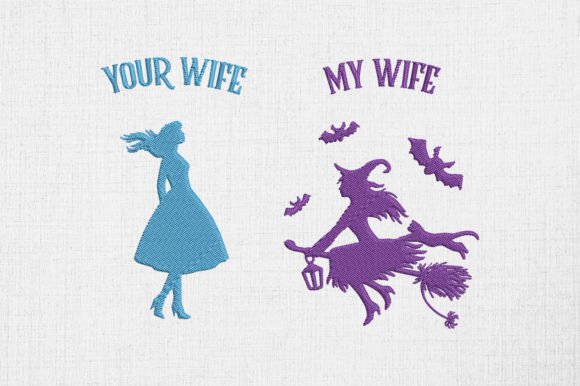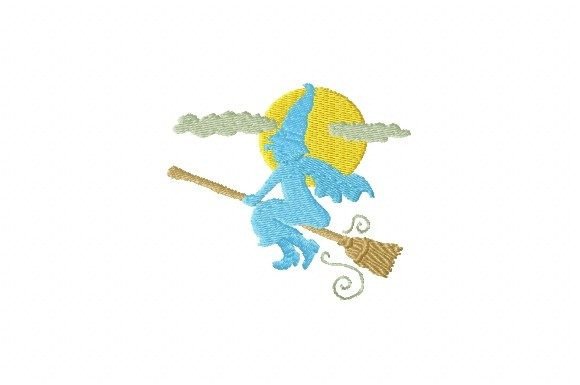
Witch Embroidery Design Review for Craft Fairs
As an experienced embroidery designer who spends countless weekends prepping for craft fairs and handmade markets, I know that the difference between a design that sits on a shelf and one that flies off the table often comes down to practical execution. Today, I am reviewing the Witch digital embroidery file with a critical eye, imagining it transformed into real products for a weekend booth display. When you are holding a stack of tote bags, aprons, or tea towels, the visual impact must be immediate. This review focuses on how this specific design performs in the real world, where customers touch the fabric, inspect the stitch quality, and decide if the item is worth their money.
First Impressions and Visual Appeal
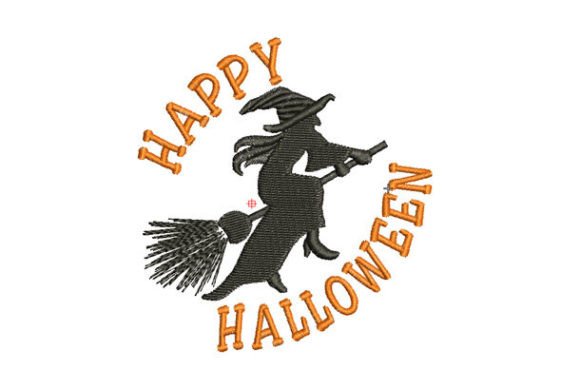
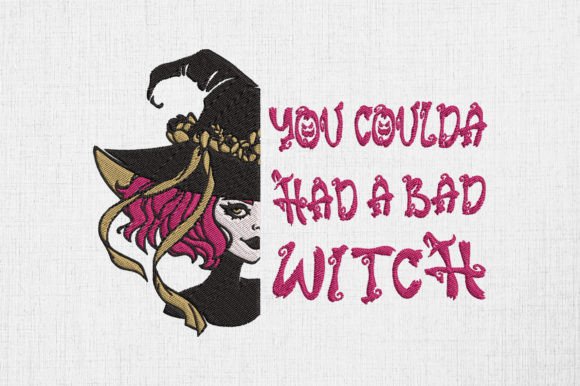
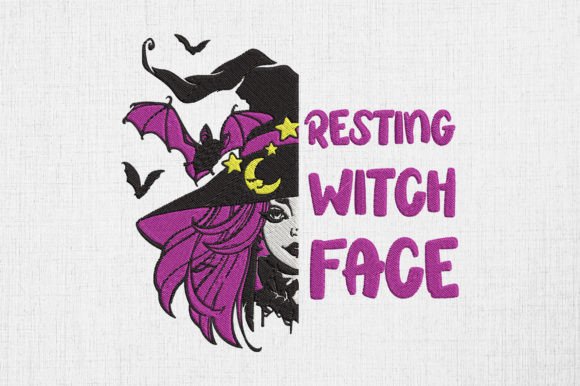
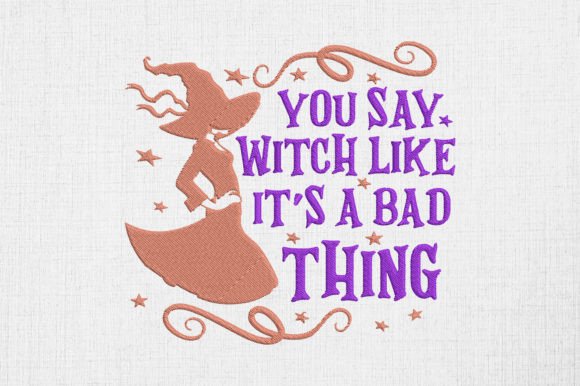
The title "Witch" combined with the promise of a detailed digital embroidery file suggests a design that needs to balance boldness with clarity. In a crowded market environment, your product needs to stand out from a distance before a customer even picks it up. Does this design feel farmhouse rustic, modern minimal, or festive and fun? For a Halloween sewing project, the aesthetic needs to be versatile enough to appeal to different buyer demographics without looking cheap or overly cluttered.
When I visualize Witch on a display table, it should act as a strong focal point. The description highlights that it will look great on any fabric, which is a crucial selling point for boutique makers and Etsy sellers. However, "great on any fabric" is a claim that requires verification through production testing. A design that looks perfect in a digital mockup can sometimes lose its charm when stitched onto a textured linen towel or a slubby cotton tee. The initial judgment of Witch relies on whether the lines are crisp enough to maintain their integrity across various textures and colors.
Product Potential: Where Witch Shines
To maximize sales at a craft fair, you need to curate a collection where each item complements the others while showcasing the versatility of the design. Here is how Witch performs across key handmade product categories:
- Tote Bag Design: A tote bag is often the first item a customer reaches for. If Witch is placed on a canvas tote, it serves as a statement piece. It works best as a medium-sized accent on the front pocket or a larger focal design on the main body. The design's ability to hold detail ensures that even on a large surface, it doesn't get lost in the weave of the fabric.
- Apron Embroidery and Tea Towel Embroidery: These kitchen-focused items are perennial favorites for holiday shoppers. On an apron, the design adds a playful touch to a functional garment. Similarly, on a tea towel, Witch can become a centerpiece for a gift set. The key here is contrast; the design must pop against the background color to catch the eye of a passerby scanning the booth.
- Embroidered Patch and Caps: For smaller inventory, converting Witch into an embroidered patch allows for creative placement on hats, denim jackets, or backpacks. This is excellent for creating low-cost entry-level items that still feel premium. However, the curvature of a cap can distort certain elements of a design, so spacing and density become critical factors.
- Fabric Pouches and Pillow Covers: Small pouches offer a great opportunity for batch production. If the design scales well, you can create a line of matching sets. Pillow covers allow for a larger canvas where intricate details of Witch can truly shine, offering a higher price point for the finished product.
Selling Strategy and Batch Production
For the Etsy seller or small shop owner, efficiency is just as important as aesthetics. Is Witch easy to understand at a glance? A design that is too complex might take hours to stitch, eating into your profit margins. Conversely, a design that is too simple might not justify a premium price tag. The ideal scenario for a craft fair is a design that strikes a balance: detailed enough to look high-quality but streamlined enough to produce quickly in batches.
Photography for online listings is another vital component. A well-executed Witch design photographs beautifully, allowing you to create compelling printable mockups that drive traffic to your digital store or physical booth. The design needs to translate well from a 3D object to a 2D image, retaining its texture and depth in photos. If the thread colors blend too much with the fabric in a photo, the listing may fail to capture attention.
Practical Considerations and Careful Use Notes
Before you commit to producing a full run of Witch products, there are several technical hurdles to clear. As a professional, I always advise checking the following aspects to ensure the finished product meets expectations.
- Dense Stitch Areas: High-density designs can cause puckering, especially on lighter fabrics. You must evaluate if the stitch density in Witch is appropriate for the intended material. Dense areas may require a heavier stabilizer to support the weight of the threads.
- Small Details and Lettering: Tiny details can disappear during the stitching process or wash away over time. If Witch includes fine lines or small text, test them on scrap fabric first. Ensure they remain legible and do not bleed together.
- Fabric Texture and Dark Fabric: Textured towels or dark fabrics present unique challenges. On dark fabric, the choice of thread colors becomes paramount. Lighter threads may not show up clearly, requiring a underlay or specific thread types to achieve the desired visibility.
- Hoop Size and Curved Surfaces: Confirm the hoop size required for the design. If you are working on curved surfaces like caps, the design may need to be adjusted to account for the distortion caused by the curve. A design that looks flat on a screen might warp significantly on a rounded hat.
Designer Notes for Commercial Success
To ensure your commercial embroidery business thrives, follow these essential steps before launching your Witch collection. First, test the design on scrap fabric using the exact thread colors and stabilizer you plan to use for the final product. This step is non-negotiable for maintaining brand consistency and handmade quality.
Create at least one real mockup of your best product idea, such as a tote bag or apron, to see how the design feels in person. Compare fabric colors side-by-side to ensure the contrast is striking. Check the thread contrast carefully; sometimes a design looks good on white but fails on navy or black. Additionally, review the spacing of the elements to ensure they fit within the chosen hoop size without cutting off critical parts of the image.
Finally, confirm the commercial licensing terms before selling finished products. Using a digital embroidery file for resale without the proper license can lead to legal issues. Verify that the Witch file allows for commercial use and that you have the rights to sell the physical items created from it.
Final Thoughts on Market Value
Ultimately, the success of Witch as a craft fair product depends on the harmony between the design's artistic intent and the technical execution. When done right, it elevates the perceived value of the item, drawing customers in and encouraging engagement. Whether it ends up on a market bag, a giftable handmade item, or a stylish accessory, the goal is to create a finished product that feels intentional, high-quality, and worthy of the price tag. By paying attention to stitch density, fabric choice, and production logistics, you can turn this digital asset into a profitable addition to your inventory.