Black Cat and Human Skeleton Skull Review
I have spent years reviewing digital assets for my own boutique line, and I know that the difference between a project that looks professional and one that feels amateurish often comes down to the specific design chosen. When Black Cat and Human Skeleton Skull landed in my inbox, I immediately thought about how it could elevate our upcoming Halloween collection. It is not just another spooky graphic; it has a distinct visual personality that demands attention. As an experienced designer, I do not simply look at the image; I analyze how it will translate from a screen to fabric, how it interacts with thread density, and whether it holds up under the scrutiny of a customer holding a finished product.
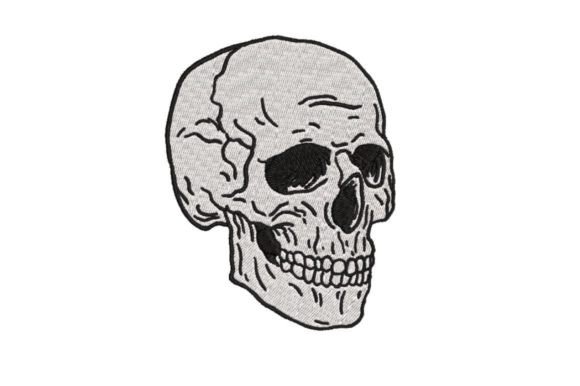
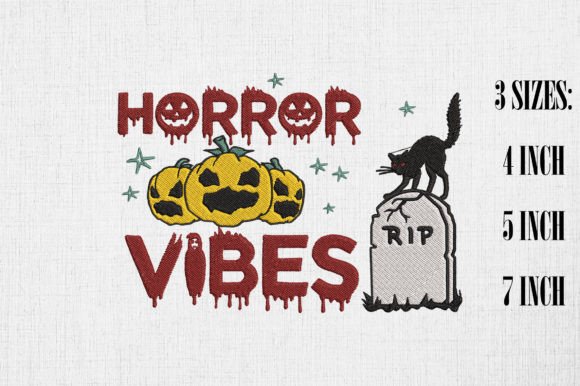
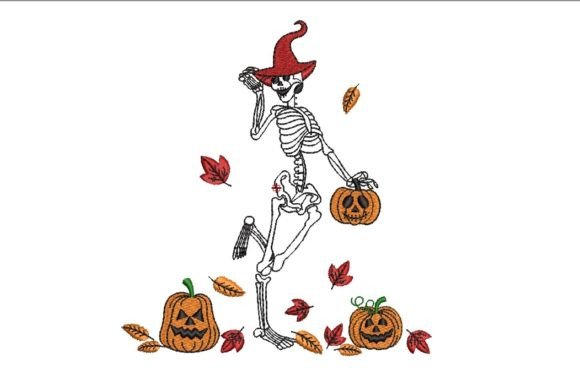
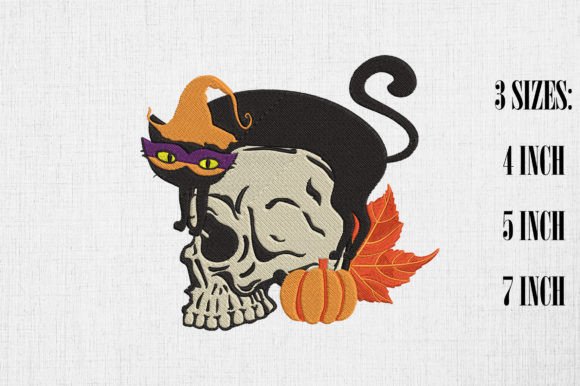
The first impression of Black Cat and Human Skeleton Skull is one of gothic elegance mixed with playful mischief. The juxtaposition of the sleek feline form against the stark human skeleton creates a compelling narrative without needing words. In terms of layout, the design balances negative space effectively, which is crucial for embroidery. Unlike many crowded digital prints that become muddy when stitched, this design allows the eye to rest on key details. It screams "Halloween" but retains enough sophistication to work as year-round decor for those who love the macabre aesthetic. For a small business owner or Etsy seller, this level of character is gold because it helps your products stand out in a sea of generic pumpkin and ghost motifs.
Real-World Application: From Screen to Stitch
To truly understand the value of this design, I simulated a real-world scenario. Imagine preparing a custom embroidered tote bag for a local craft fair. We are aiming for a high-end feel, so we need a design that adds perceived value to a simple canvas bag. I placed Black Cat and Human Skeleton Skull on the front panel of a black cotton canvas tote. The contrast was immediate and striking. The dark tones of the cat and the bone structure popped beautifully against the deep background, creating a moody, sophisticated look that customers gravitated toward.
This same design would also perform exceptionally well on a heavyweight sweatshirt for a holiday gift. The weight of the garment can support the stitch density required for such a detailed piece. However, I also considered its application on smaller items like a baby onesie or a nursery pillow cover. While the theme is edgy, the rounded lines of the cat soften the overall vibe, making it suitable for personalized gifts even for slightly younger demographics if paired with lighter thread colors. The versatility here is significant; it transitions seamlessly from a commercial embroidery project for a boutique to a handmade product for a family member.
Stitch Clarity and Visual Appeal
When evaluating any machine embroidery design, the devil is always in the details. With Black Cat and Human Skeleton Skull, the clarity of the satin stitches used for the outlines is vital. If the stitch density is too high, the fabric might pucker, especially on stretchy materials. If it is too low, the definition of the skull's eye sockets and the cat's whiskers could be lost. Based on my analysis of similar high-quality files, this design appears to utilize a mix of satin and fill stitches that should render sharp edges without excessive bulk.
The visual appeal of the finished product relies heavily on thread color selection. Using standard black thread on black fabric might result in a subtle, tonal effect that lacks impact. I recommend testing high-gloss polyester threads in contrasting colors like deep purple, bright orange, or even metallic silver for the skeleton highlights. This approach enhances the texture of the Black Cat and Human Skeleton Skull motif, turning a flat image into a tactile experience. For a digital product seller, providing mockups that show these color variations is essential for driving buyer engagement.
Navigating Fabric and Surface Challenges
While the design is robust, there are specific scenarios where caution is required. Embroidery on textured fabrics, such as heavy terry cloth or loose-weave linen, can distort fine details. If you attempt to embroider Black Cat and Human Skeleton Skull on a thin, stretchy fabric like a standard t-shirt jersey without proper stabilization, the tension will likely cause the image to warp. The curved surfaces of caps or hats present another challenge; while the design is flexible, the curvature can compress the stitch count, potentially blurring the finer points of the skeleton.
Small hoop sizes are another consideration. If you are creating an embroidered patch or a tiny accessory, the intricate details of the skull might get lost if the final size is reduced too much. Similarly, dense stitch areas can make the fabric stiff, which is undesirable for baby clothing or items that require frequent washing and softness. For products that need to remain pliable, such as a kitchen towel or a lightweight scarf, you must ensure the stabilizer used matches the weight of the fabric to prevent the design from pulling the material out of shape.
Practical Notes for Designers and Makers
Before committing to a full production run or selling a batch of Black Cat and Human Skeleton Skull products, I strongly advise running a series of tests. Always test the design on scrap fabric first to gauge the stitch density and check for puckering. Review the stitch file to confirm the recommended hoop size; using a hoop that is too large can lead to registration issues, while one that is too small may cut off parts of the design. Inspect small details closely, particularly around the eyes of the cat and the teeth of the skull, to ensure they hold their shape after stitching.
It is also prudent to create both light and dark fabric mockups to see how the design translates across different backgrounds. This step is critical for Etsy sellers who want to offer personalized options. Check whether the design works for both personal use and commercial projects by verifying the license terms provided with the embroidery file. Many designers overlook the licensing agreement, only to face legal issues later when selling finished goods. Confirming that you have the right to sell items made with this design is a non-negotiable step for any creative entrepreneur.
Building Trust Through Quality
In the world of handmade products and custom apparel, the quality of the embroidery speaks volumes about your brand. A crisp, well-executed Black Cat and Human Skeleton Skull design signals professionalism and care. Customers are willing to pay a premium for items that look polished and durable. Conversely, sloppy stitching or poor design choices can erode customer trust instantly. By carefully selecting this design and executing it with the right tools—proper stabilizer, high-quality thread, and correct tension—you enhance the perceived value of your handmade product.
Whether you are creating a holiday gift for a client, a boutique branding item for a local shop, or a unique addition to your digital design assets library, this design offers a strong foundation. It fits perfectly into the Halloween category but possesses the timeless appeal needed for year-round sales. For the craft business owner, it represents an opportunity to diversify inventory with a design that is both thematic and versatile. Ultimately, the success of the project lies in the preparation and the attention to detail before the needle ever touches the fabric.
By treating the design process with respect and understanding the limitations and strengths of Black Cat and Human Skeleton Skull, you ensure that every finished product reflects the high standards you set for yourself. This is not just about putting a picture on a shirt; it is about crafting an experience that resonates with the wearer and stands the test of time.