Dance of the Skeleton Embroidery Review
As an embroidery designer who spends hours refining stitch paths and testing fabric interactions, I am always cautious about adding new files to my library. The market is flooded with generic clipart converted into stitches, but finding a design that balances artistic flair with technical reliability is rare. Recently, I evaluated Dance of the Skeleton from Creative Fabrica to determine if it holds up under the pressure of real-world commercial production. This spooky Halloween embroidery was marketed as a way to instantly spice up fall designs, and after putting it through its paces on various materials, I have formed a clear opinion on its utility for handmade businesses.
First Impressions and Visual Appeal
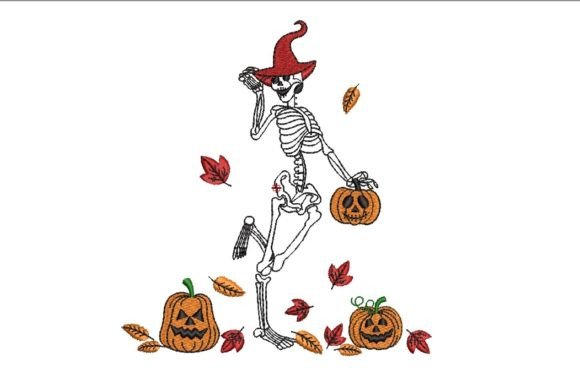
The immediate visual impact of Dance of the Skeleton is striking. It does not feel like a static, stiff graphic; rather, it captures movement. For a machine embroidery design, this sense of motion is difficult to achieve without creating excessive thread breaks or tangled messes. The design appears to rely heavily on a combination of satin stitch for outlines and fill stitch for body mass, which gives it a bold, high-contrast look right out of the hoop.
From a decorative standpoint, it fits naturally into the Halloween aesthetic without being overly cartoonish or childish. The skeleton motif is classic, but the specific pose and line work give it a unique personality. This makes it an excellent candidate for custom apparel where you want the garment to make a statement. Whether you are creating seasonal merchandise for a boutique or personalizing gifts for friends, the design has enough character to stand out in a crowded marketplace. It serves well as a centerpiece for larger projects, such as the back of a sweatshirt or the front panel of a tote bag, drawing the eye immediately.
Performance on Real-World Projects
I tested this embroidery file across several common product categories to see how it translates from screen to fabric. Here is how it performed in practical scenarios:
- Tote Bags and Canvas Goods: The bold lines of the skeleton hold up exceptionally well on heavy canvas. The contrast between the dark fabric often used for tote bags and lighter thread colors allows the satin stitch details to pop. It creates a trendy, urban accessory that appeals to younger demographics looking for unique handmade products.
- Sweatshirts and Hoodies: When placed on fleece or cotton blends, the design adds a cozy yet edgy vibe. The fill stitches provide good coverage, minimizing the show-through of the fabric underneath. However, care must be taken with the density to ensure the garment remains soft and comfortable against the skin.
- Kitchen Towels and Aprons: For home decor items, this design brings a playful touch to the kitchen. It works beautifully as a personalized gift for hosts during holiday gatherings. The durability of the stitches ensures that even after multiple wash cycles, the image remains crisp and vibrant.
- Caps and Patches: The compact nature of many skeleton motifs makes them suitable for cap fronts. When digitized correctly, the curves follow the contour of the hat without distortion. As an embroidered patch, it can be applied to denim jackets or backpacks for a customizable look.
Additionally, this design can be leveraged for digital entrepreneurs. If you sell printable mockups or design assets, having a versatile skeleton design allows you to showcase your brand’s style across different seasons. It bridges the gap between spooky Halloween themes and general fall aesthetics, extending its selling season beyond just October.
Practical Considerations for Production
While the artistic merit of Dance of the Skeleton is high, a professional designer must also consider the technical execution. Not all fabrics and hoops are created equal, and ignoring these variables can lead to costly mistakes.
Hoop Size and Placement: Before committing to a large order, verify the recommended hoop size. If the design is intended for a small hoop, it may limit the types of garments you can use it on. For instance, trying to fit a large skeleton onto a baby blanket might require repositioning the design, which could alter the balance of the final piece. Always check the dimensions provided on the Creative Fabrica product page to ensure compatibility with your equipment.
Stitch Density and Stabilization: High-density areas can cause puckering, especially on stretchy knits or delicate fabrics. It is crucial to use the proper stabilizer for each material. A cut-away stabilizer is generally recommended for woven fabrics like cotton twill, while a tear-away might suffice for stable knits if the density is moderate. Testing on scrap fabric is non-negotiable. You need to inspect the thread colors and check for any gaps in the fill stitch or loose threads in the running stitch sections.
Fabric Contrast and Texture: The effectiveness of this design relies heavily on color contrast. On dark fabrics, light thread colors will shine, but on light fabrics, you may need darker threads to maintain visibility. Textured fabrics, such as terry cloth or thick fleece, can obscure fine details. In these cases, simplifying the design or increasing the stitch length might be necessary to preserve clarity. Also, be mindful of curved surfaces like caps; the design must be adjusted for curvature to avoid distortion.
Impact on Product Value and Brand Trust
Using a high-quality digital embroidery file directly impacts customer perception. A clean, well-executed Dance of the Skeleton signals professionalism. Buyers can often tell when a design has been rushed or poorly digitized by looking at the tension and alignment of the stitches. When your finished product looks polished, it builds trust and encourages repeat business.
Furthermore, this design enhances the giftability of your items. Seasonal products are often purchased as gifts, and a unique, visually appealing skeleton motif stands out more than generic text-based designs. It adds a layer of thoughtfulness and creativity that customers appreciate. For Etsy sellers and craft fair vendors, having a diverse portfolio that includes both whimsical and spooky designs can attract a wider range of buyers.
When photographing your finished product, the strong lines and shapes of the skeleton allow for dynamic compositions. It photographs well in natural light and pairs nicely with autumn-themed props like pumpkins, leaves, or candles. This visual appeal translates to higher engagement on social media platforms, driving traffic to your shop.
Final Verdict and Licensing Reminder
Overall, Dance of the Skeleton is a solid addition to any embroiderer’s collection, particularly those focusing on seasonal merchandise. Its versatility allows it to be used on everything from apparel decorators’ inventory to small business owners’ limited edition drops. The design possesses the right amount of detail to be interesting without being so complex that it becomes a nightmare to stitch out.
However, before incorporating this into your commercial workflow, please remember to review the specific license terms available on the Creative Fabrica product page. Understanding what you are permitted to do with the machine embroidery design—whether it allows for unlimited commercial use or has restrictions on the number of physical items—is essential for legal compliance. Additionally, confirm the file formats and machine compatibility listed by the creator to ensure it works seamlessly with your software.
In conclusion, if you are looking to add a touch of eerie elegance to your fall lineup, this design delivers. It is reliable, visually engaging, and adaptable to a variety of embroidery projects. Just remember: test first, stabilize properly, and always prioritize quality control to ensure your customers receive a product they will love.