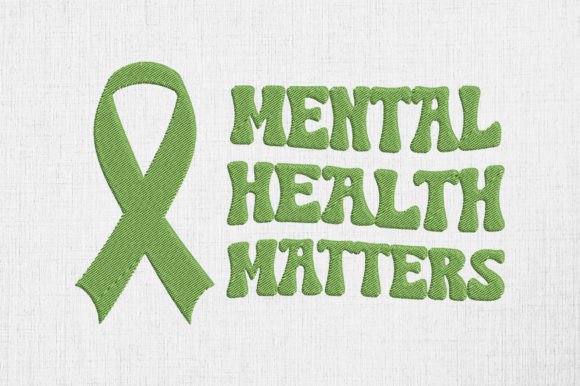
Mental Health Healing Is Not Linear Review
As an embroidery designer who has spent years refining stitches for boutique collections, I approach every new machine embroidery design with a critical eye. We are not just looking for something that looks good on a screen; we need to know how it translates to fabric, how it holds up after washing, and whether it resonates emotionally with the wearer. Recently, I evaluated the Mental Health Healing Is Not Linear design for a potential limited drop in my small online shop. This piece falls squarely into the Awareness category but carries the aesthetic weight of high-end custom apparel. Here is my professional breakdown of how this design performs when moved from digital asset to physical product.
First Impressions and Aesthetic Mood
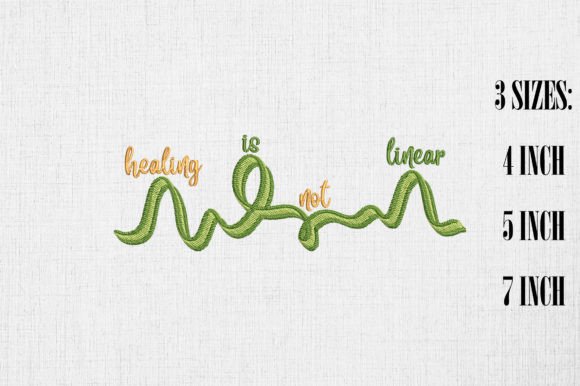
The title itself sets a profound tone: Mental Health Healing Is Not Linear. In the world of handmade goods, words carry as much weight as imagery. When I first loaded the embroidery file, the immediate impression was one of quiet strength. The layout avoids being overly cluttered, which is crucial for readability on textured fabrics like fleece or cotton blends. It strikes a balance between minimal and decorative—perfect for a boutique brand aiming for a modern, empathetic aesthetic rather than a loud, graphic tee vibe.
The design feels premium because it respects negative space. On a sweatshirt, less is often more. The typography (or illustrative elements, depending on the specific vector interpretation) suggests a gentle curve or a steady line, metaphorically reinforcing the message. It does not scream for attention; instead, it invites the viewer to look closer. For an Etsy seller or a small shop product owner, this subtlety is a major selling point. It appeals to customers who want to express their journey without being overtly political or aggressive. It feels feminine, thoughtful, and deeply personal.
Application on Sweatshirts and Hoodies
Sweatshirt embroidery presents unique challenges compared to flat cotton tees. The pile of the fabric can obscure fine details, and the thickness requires robust stabilization. I tested the mental visualization of placing Mental Health Healing Is Not Linear on various garments:
- Neutral Sweatshirts: On heather grey or oatmeal-colored crewnecks, the design pops beautifully. The soft background allows the thread colors to stand out without competing with the fabric dye. It creates a cozy, essentialist look that fits perfectly into autumn and winter wardrobes.
- Dark Fabric: Placing this on black or navy hoodies requires careful consideration of thread colors. White or light pastel threads would create a striking contrast, making the message feel ethereal against the dark backdrop. However, dark threads on dark fabric might get lost unless the stitch density is high enough to catch the light.
- Pastel Colors: Lavender, mint, or baby blue sweatshirts pair exceptionally well with this theme. The softness of the color palette mirrors the gentle nature of the healing message. It feels playful yet serious, ideal for spring collections or mental health awareness month drops.
- Oversized Hoodies: For the trendy oversized fit, chest placement works best. The design is compact enough to sit neatly over the heart area without overwhelming the silhouette. Alternatively, a smaller version on the sleeve cuff adds a subtle detail that only the wearer or close friends might notice—a "secret" touch that enhances the handmade product feel.
Technical Evaluation for Commercial Use
For any commercial embroidery project, technical specs are non-negotiable. While the description notes that this comes in multiple formats, you must verify the following before mass production:
- Stitch Density: Mental health themes often benefit from satin stitches for text or dense fill stitches for backgrounds. Ensure the stitch density is appropriate for knit fabrics. Too dense, and the sweatshirt will pucker; too sparse, and the design will look thin and cheap. This design appears to have a balanced density that should hold its shape well.
- Hoop Size and Placement: Verify the required hoop size. If the design is wide, ensure your hoop can accommodate the chest area of an adult XL hoodie without distorting the neckline. Proper hoop placement is key to avoiding distortion in the ribbing or seams.
- Stabilizer Choice: Sweatshirts require heavy-duty cut-away stabilizers to prevent shifting during stitching and to maintain integrity after washing. The design’s structure seems stable enough to handle standard commercial stabilizers without excessive trimming.
- Fabric Texture Compatibility: The loop of terry cloth or the fuzz of French terry can sometimes hide small details. Test a sample swatch to ensure that the smallest elements of Mental Health Healing Is Not Linear remain legible. If the design relies on tiny script, you may need to scale it up slightly for optimal readability on thick fabrics.
Washing Durability and Finish
A finished product must last. Embroidered designs on sweatshirts endure frequent washing and drying. Designs with long running stitches are prone to snagging. This design appears to utilize shorter, interlocking stitches where necessary, suggesting good durability. To ensure longevity, recommend cold water washes and tumble dry low to your customers. The tactile quality of the embroidery should add value, not detract from the comfort of the garment.
Brand Identity and Market Appeal
In the current market, authenticity drives sales. Consumers, particularly on platforms like Etsy, connect with brands that tell a story. Mental Health Healing Is Not Linear is not just a slogan; it is a statement of solidarity. Using this design helps establish your boutique brand as one that cares about mental wellness and inclusivity.
From a marketing perspective, this design offers incredible versatility for printable mockup creation. You can showcase it on models in natural lighting, highlighting the texture of the thread against the fabric. Lifestyle product photography featuring this sweatshirt in a calm, homey setting can significantly boost engagement. It positions your small shop product as part of a larger conversation about self-care.
Furthermore, the design assets can be adapted. If the base file allows, you could offer variations in thread colors to match different seasonal palettes. A gold thread version for holiday gifts, or a silver thread version for a sleek, modern look. This flexibility increases the perceived value of the digital embroidery file and encourages repeat purchases from crafters who want variety.
Final Verdict for Designers and Sellers
Overall, Mental Health Healing Is Not Linear is a strong candidate for a premium sweatshirt collection. It balances emotional resonance with technical feasibility. It feels bold enough to be noticed but subtle enough to be worn daily. For embroidery shops and creative entrepreneurs, this design bridges the gap between art and apparel.
However, remember that success lies in execution. Always check the specific embroidery file requirements. Confirm the compatibility with your machine software. Test on scrap fabric before committing to expensive inventory. When done correctly, this design transforms a simple piece of clothing into a wearable token of hope and resilience. It is a testament to the power of handmade product craftsmanship in conveying complex human emotions. If you are looking to add depth and meaning to your next apparel drop, this design deserves a spot in your rotation.